Your greatest asset is internal.
The way you perform is shaped by more than technical skill. Your habits, expectations, and responses to pressure influence how you operate, make decisions, and navigate change.
The work is personal
No two people experience the same demands in the same way. Your role, responsibilities, values, and lived experiences shape how you approach challenges and what you need to operate effectively.
The work begins with understanding your context, not applying a one-size-fits-all formula.
WHAT WE ACTUALLY WORK ON
PRESSURE
How you respond when the demands increase.
STANDARDS
The expectations you hold yourself to and whether they still serve you.
PATTERNS
The habits and default responses that can operate without conscious choice.
PRIORITIES
What actually matters and where your energy is going.
PERFORMANCE
How you sustain a high level of performance without relying exclusively on pushing harder.
CHANGE
How you navigate transitions while staying connected to what matters to you.
WHAT WORKING TOGETHER CAN CREATE
Learn to operate differently under pressure.
MORE INTENTIONAL RESPONSES
Recognize patterns before they automatically run the show.
BETTER USE OF ENERGY
Stop spending energy on expectations, habits and priorities that no longer fit.
LONGEVITY
Perform at a high level without making constant pressure the price of success.
GREATER AGILITY
Adapt when circumstances change, without needing everything around you to stay predictable.
THREE WAYS TO WORK WITH ONE SHIFT
Transformational Coaching
Change how you think.
Coaching helps uncover the beliefs, patterns, and internal narratives shaping how you respond to pressure, relationships, leadership, and change.
For high-performing professionals who appear to be managing well on the outside but recognize that maintaining that performance comes at a cost.
Education and Workshops
Understand the why behind performance.
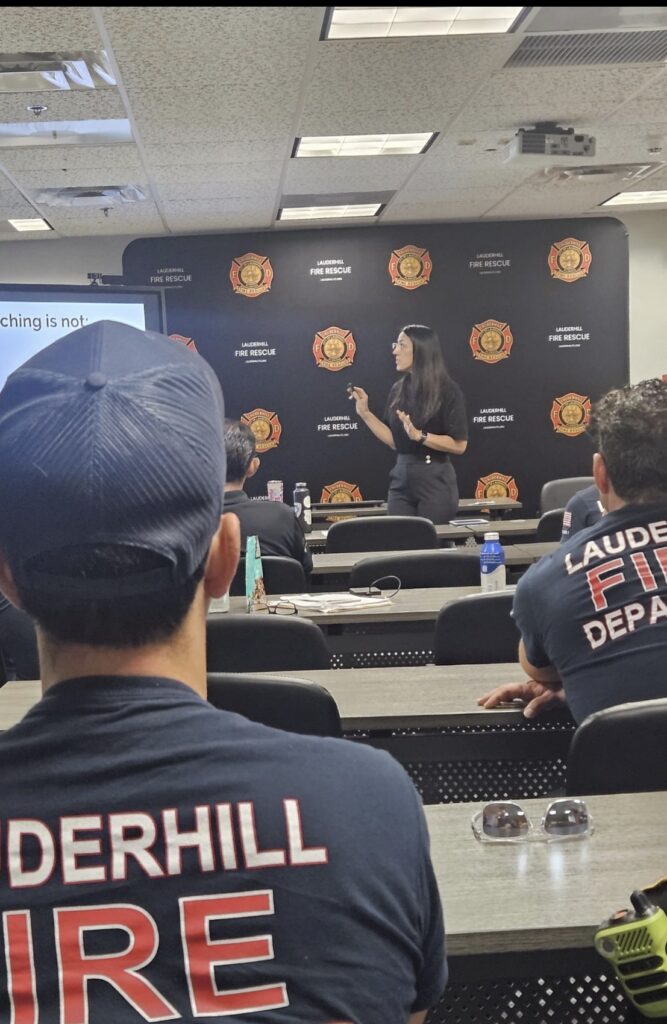
Grounded in neuroscience, human behavior, and evidence-informed practices, these sessions explore the factors shaping stress, performance, recovery, and well-being.
Designed to turn complex concepts into insights people can apply in their work and daily lives.
Regulation and Recovery Practices
Recovery is a skill that can be trained.
Through breathwork, trauma-informed yoga, and other evidence-informed mind-body practices, participants develop skills to shift their state, support recovery, and respond more effectively to pressure.